Saona Island Climate Change: Sea Level Rise, Coastal Resilience and the Future of Paradise
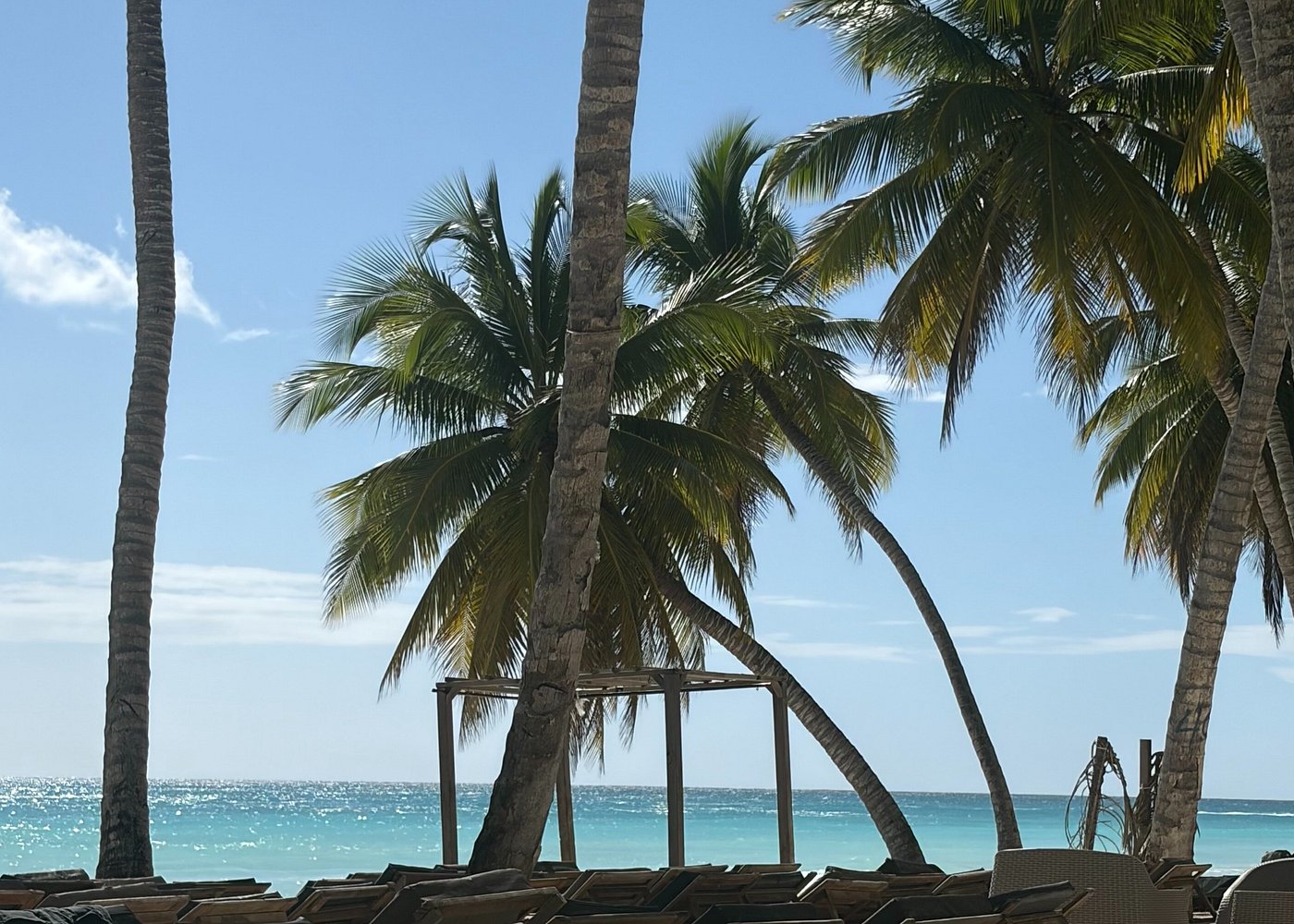
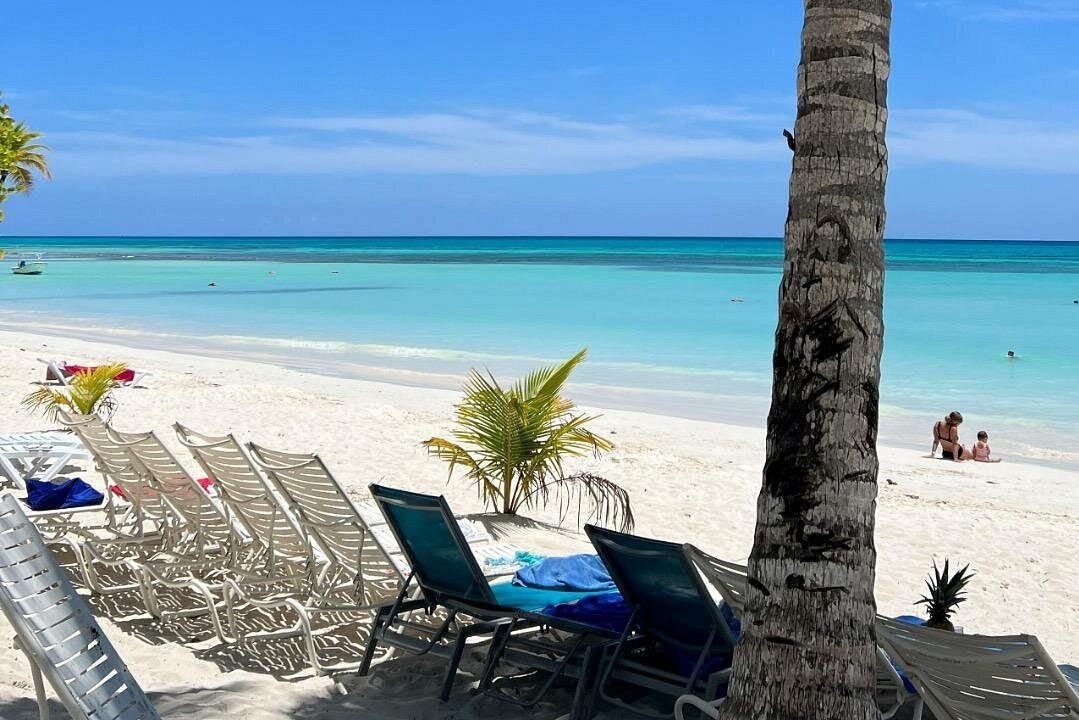
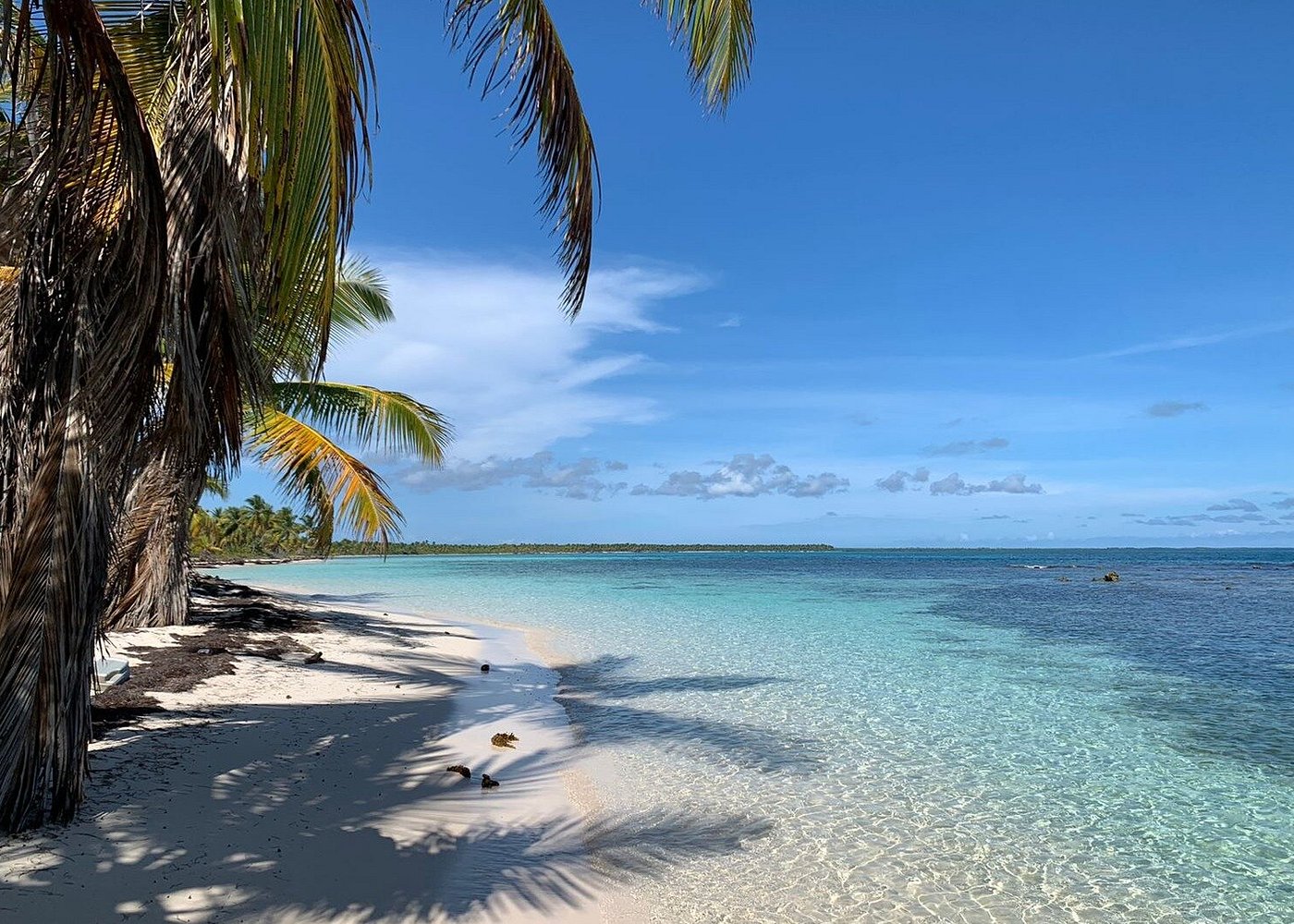
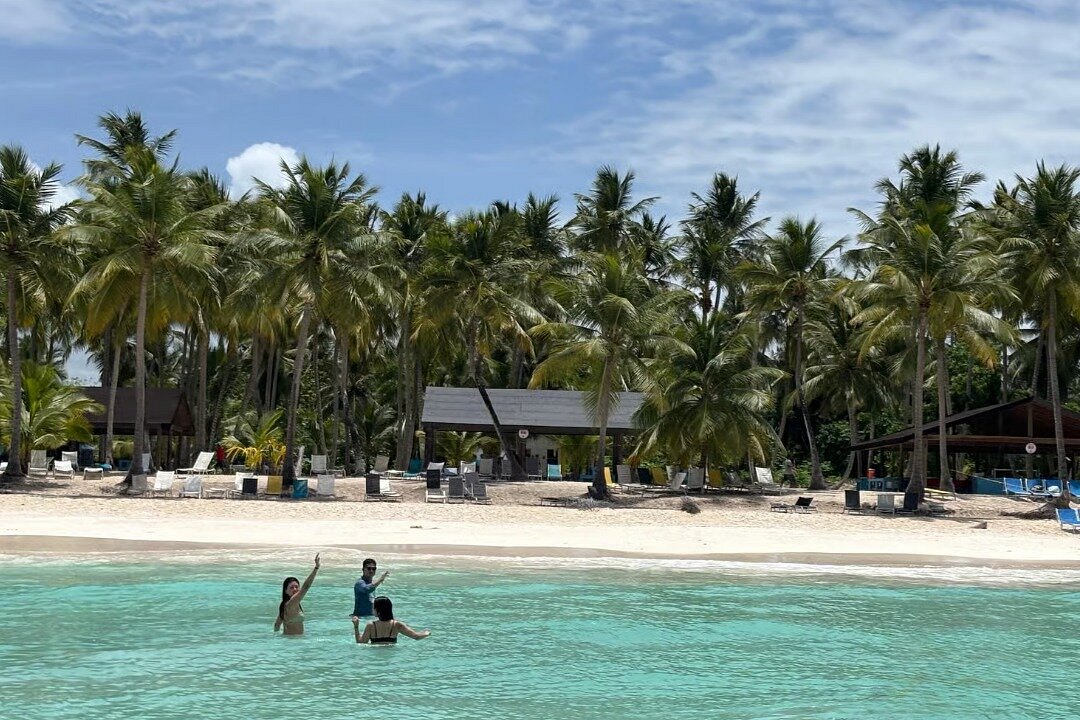
Saona Island is one of the most recognizable tropical destinations in the Dominican Republic. Its white-sand beaches, turquoise waters, palm-lined coastline, and natural landscapes attract visitors from around the world.
However, like many Caribbean coastal destinations, Saona Island belongs to a region facing long-term environmental challenges associated with climate change.
Rising sea levels, warmer ocean temperatures, changing rainfall patterns, and stronger coastal pressures can affect island environments. These changes may influence beaches, marine ecosystems, wildlife habitats, tourism infrastructure, and the communities connected to the surrounding region.
Saona Island forms part of Cotubanamá National Park, a protected area in southeastern Dominican Republic. Its natural environment includes coastal habitats, forests, mangroves, and marine ecosystems.
Understanding climate change is therefore important for appreciating not only the island's beauty but also the environmental challenges that could influence its future.
This guide explains the main climate-related risks for Caribbean islands, how they could affect Saona Island, and why conservation and climate adaptation matter.
1. Understanding Climate Change in the Caribbean
Climate change refers to long-term changes in temperature, precipitation patterns, sea levels, and other climate conditions.
Human activities, particularly the burning of fossil fuels and the resulting greenhouse gas emissions, are the main drivers of recent global warming.
The Caribbean is particularly important in discussions about climate change because many of its communities, ecosystems, and economic activities are closely connected to the sea.
The region faces several climate-related challenges:
- Rising sea levels.
- Increasing ocean temperatures.
- Coral reef stress.
- Changes in rainfall patterns.
- Coastal flooding.
- Tropical cyclone impacts.
- Pressure on freshwater resources.
- Risks to coastal tourism and infrastructure.
The World Meteorological Organization's regional climate reporting identifies ocean warming, sea-level rise, and extreme weather as important concerns for Latin America and the Caribbean.
For Saona Island, these regional trends provide useful context when considering its long-term environmental future.
2. Sea-Level Rise: A Long-Term Challenge for Saona Island
One of the most important climate-related concerns for low-lying coastal environments is sea-level rise.
Global sea levels rise mainly because:
- Ocean water expands as it warms.
- Glaciers and ice sheets lose ice, adding water to the oceans.
These processes contribute to long-term changes in coastal water levels.
The Dominican Republic is surrounded by Caribbean and Atlantic coastal environments, making sea-level change an important issue for national climate planning.
How could rising sea levels affect Saona Island?
Potential impacts on low-lying coastal areas include:
- Greater exposure to coastal flooding.
- Changes in beach profiles.
- Increased pressure on coastal vegetation.
- Saltwater intrusion into freshwater environments.
- Changes in coastal wetlands.
- Greater exposure during storm surges.
These are potential risks, not proof that every beach on Saona Island is currently experiencing these effects.
The actual impact depends on local elevation, coastal shape, sediment movement, vegetation, wave conditions, and other geographic factors.
Why does elevation matter?
Low-lying coastal locations are generally more exposed to rising water levels than elevated areas.
Even relatively small changes in average sea level can influence the frequency and reach of high-water events in vulnerable locations.
This is why accurate elevation surveys and long-term coastal monitoring are important.
3. How Climate Change Could Influence Saona Island's Beaches
Beaches are dynamic natural environments.
Their shapes change over time because of waves, currents, tides, sediment supply, storms, and other coastal processes.
Climate change can add further pressure to these systems.
Changes in beach width
Rising sea levels and changing wave conditions may influence how much dry beach is available in some coastal locations.
The result will not necessarily be the same everywhere. Some beaches may experience erosion, while other coastal areas may accumulate sediment.
Changes in sand movement
Sediment moves along coastlines through natural processes.
Changes in wave conditions and storm patterns may influence how sand is transported and deposited.
Coastal flooding
Higher average sea levels can increase the reach of water during certain high-water events.
This may affect low-lying beaches and coastal facilities.
For visitors, this is one reason to understand that a beach landscape is not permanently fixed.
4. Ocean Warming and Marine Ecosystems
The Caribbean Sea is an important part of Saona Island's natural environment.
Its marine ecosystems support fish, coral communities, seagrass habitats, and other organisms.
Ocean warming is one of the major environmental concerns associated with climate change.
Why is warmer seawater a concern?
Marine organisms often depend on particular temperature ranges.
When seawater becomes unusually warm for extended periods, some organisms may experience physiological stress.
Coral reefs are especially sensitive to marine heat stress.
Coral bleaching
Corals live in partnership with microscopic algae that provide much of their energy through photosynthesis.
When corals experience prolonged heat stress, they may lose these algae or their pigments, causing a condition known as coral bleaching.
Bleached corals are not necessarily dead, but prolonged stress can reduce their chances of recovery.
Repeated or severe bleaching can damage reef ecosystems.
Why does this matter around Saona Island?
The wider protected marine region is part of the Caribbean environment, where coral ecosystems are ecologically important.
Healthy reefs support biodiversity, contribute to marine habitat complexity, and can help reduce wave energy reaching some coastal areas.
However, the condition of individual reefs around Saona Island must be assessed using local monitoring rather than assumed from regional trends.
5. Ocean Acidification: Another Pressure on Marine Life
Climate change is not limited to temperature increases.
The ocean also absorbs a substantial portion of the carbon dioxide released into the atmosphere.
When carbon dioxide dissolves in seawater, chemical reactions change the water's chemistry and lower its pH.
This process is called ocean acidification.
Why does ocean acidification matter?
Lower seawater pH reduces the availability of carbonate ions that many marine organisms use to build calcium carbonate structures.
These organisms include:
- Reef-building corals.
- Some shellfish.
- Certain plankton.
- Other marine organisms with calcium carbonate structures.
Ocean acidification can make it more difficult for some organisms to build and maintain their structures.
Its effects vary by species and environmental conditions.
For Saona Island, protecting marine habitats from additional local pressures is important because healthy ecosystems may be better able to cope with multiple environmental stresses.
6. The Importance of Mangroves in Climate Resilience
Mangroves are among the most valuable coastal ecosystems in tropical regions.
They grow in coastal environments where saltwater and freshwater conditions can interact.
The wider Cotubanamá region contains mangrove habitats that contribute to its natural diversity.
How do mangroves help coastal environments?
Mangroves provide several important ecosystem services:
Coastal protection: Their root systems can reduce water movement and help trap sediment in suitable conditions.
Wildlife habitat: Mangrove environments provide shelter and feeding areas for many organisms.
Carbon storage: Mangrove ecosystems can store substantial amounts of carbon in their vegetation and soils.
Sediment stabilization: Their roots can help retain sediment and support coastal wetland development.
Can mangroves stop sea-level rise?
No. Mangroves cannot stop global sea-level rise.
However, healthy mangrove ecosystems can contribute to coastal resilience where conditions allow them to persist and adapt.
Their long-term survival depends on suitable sediment supply, water conditions, space for landward movement, and other environmental factors.
Protecting existing mangroves is therefore an important part of wider coastal conservation.
7. Climate Change and Seagrass Ecosystems
Seagrass meadows are underwater habitats formed by flowering plants.
They are ecologically important in many Caribbean coastal environments.
Seagrass supports marine biodiversity by providing:
- Feeding grounds.
- Shelter for small marine organisms.
- Habitat for juvenile fish.
- Sediment stabilization.
- Carbon storage.
Climate-related pressures can affect seagrass through changes in water temperature, light availability, water quality, and coastal disturbance.
For example, prolonged increases in water temperature may affect plant growth and ecosystem balance.
Changes in water clarity can also reduce the sunlight reaching underwater leaves.
Protecting seagrass habitats requires maintaining good water quality and avoiding unnecessary physical disturbance.
8. Tropical Storms, Hurricanes and Coastal Risk
The Caribbean is exposed to tropical storms and hurricanes.
These weather systems can bring strong winds, heavy rainfall, waves, storm surges, and coastal flooding.
Climate change does not mean that every hurricane will become stronger or that storms will follow a predictable pattern.
However, higher sea levels can increase the water level on which storm surges occur.
This can make certain coastal locations more vulnerable during extreme events.
Possible effects on Saona Island
Depending on local conditions, severe storms may:
- Damage coastal vegetation.
- Change beach profiles.
- Affect boat facilities and landing areas.
- Disturb marine habitats.
- Cause temporary flooding.
- Interrupt tourism activities.
The actual impact of a storm depends on its intensity, direction, speed, rainfall, and local coastal geography.
9. Rainfall Changes and Freshwater Resources
Climate change can influence rainfall patterns.
Some areas may experience longer dry periods, while others may face heavier rainfall events.
For islands and coastal communities, changes in rainfall can affect freshwater availability.
Why is freshwater important?
Freshwater supports:
- People living in coastal communities.
- Local vegetation.
- Wildlife.
- Tourism-related activities.
- Small-scale agriculture and other livelihoods.
On small islands, freshwater resources may be limited or particularly sensitive to environmental changes.
Saltwater intrusion is another possible concern in low-lying coastal groundwater systems.
It occurs when saline water moves into freshwater aquifers or other freshwater sources.
The risk depends on local geology, groundwater use, rainfall, and sea-level conditions.
10. How Climate Change Could Affect Tourism on Saona Island
Tourism is closely connected to the island's natural environment.
Visitors come to experience beaches, clear water, marine habitats, and tropical landscapes.
Climate change could influence several parts of this experience.
Beach conditions
Changes in coastal conditions may affect beach width, access, and the appearance of some coastal locations.
Marine experiences
Ocean warming and coral bleaching can affect the health and appearance of coral ecosystems.
This may influence the long-term quality of some snorkeling and diving environments.
Tour operations
Extreme weather, coastal flooding, and storm damage can disrupt transportation and excursion schedules.
Tourism infrastructure
Facilities located in exposed coastal locations may face greater maintenance and protection challenges.
Visitor expectations
Travelers may increasingly value destinations that demonstrate environmental responsibility and long-term conservation planning.
The future of tourism depends partly on maintaining healthy natural environments.
11. Why Climate Adaptation Matters
Climate adaptation means preparing for actual or expected climate impacts and reducing their potential harm.
It does not replace the need to reduce greenhouse gas emissions. Both adaptation and climate mitigation are important.
For a protected island environment such as Saona Island, useful adaptation approaches may include:
Protecting natural coastal habitats
Maintaining mangroves, coastal vegetation, wetlands, and marine habitats can support ecosystem resilience.
Monitoring coastal conditions
Regular measurements of shoreline position, water levels, vegetation, and habitat condition can help identify changes.
Planning tourism infrastructure carefully
Facilities should be planned with local coastal hazards and environmental regulations in mind.
Improving environmental management
Reducing pollution, protecting habitats, and managing visitor activity can lower additional pressures on ecosystems.
Supporting scientific research
Long-term research helps decision-makers understand local conditions and develop appropriate adaptation measures.
These are general strategies. They should be designed around local scientific assessments and the management priorities of the protected area.
12. What Can Visitors Do to Support Climate-Friendly Tourism?
Individual travelers cannot solve global climate change through one vacation.
However, responsible choices can reduce local environmental pressure and support better tourism practices.
Consider these actions:
Choose responsible operators. Look for providers that follow protected-area rules and respect wildlife and habitats.
Avoid damaging vegetation. Do not break branches, remove plants, or walk through sensitive habitats.
Respect marine ecosystems. Avoid standing on coral, disturbing seagrass, or feeding wild marine animals.
Reduce disposable waste. Carry reusable items where practical and take rubbish away from natural areas.
Respect wildlife. Observe animals from an appropriate distance.
Support local conservation. Learn about legitimate conservation organizations and programs rather than assuming that every tour provider operates a conservation project.
Follow safety advice. Respect weather warnings, marine conditions, and any temporary restrictions.
Small responsible actions can help protect the environment that visitors come to enjoy.
13. How to Visit Saona Island More Responsibly in the Future
Climate awareness can be part of ordinary travel planning.
Before booking an excursion, consider asking:
- Does the operator follow national park rules?
- Are wildlife and marine habitats treated responsibly?
- How does the company manage rubbish?
- Are visitors briefed about environmental protection?
- Does the excursion avoid unnecessary disturbance to sensitive habitats?
- What happens if severe weather affects the trip?
A responsible excursion should prioritize passenger safety and environmental protection rather than promising access regardless of conditions.
14. The Future of Saona Island: Why Monitoring Matters
It is important not to make unsupported predictions about the future of individual beaches.
A regional climate projection does not automatically describe what will happen at a particular location on Saona Island.
Reliable local assessments require information such as:
- Coastal elevation data.
- Historical shoreline measurements.
- Tide-gauge or water-level observations.
- Wave and current records.
- Storm impact assessments.
- Mangrove and seagrass monitoring.
- Coral reef health surveys.
- Long-term climate observations.
Combining these sources can help scientists and park managers understand which areas are most exposed and which conservation measures are appropriate.
The World Bank's Climate Change Knowledge Portal provides sea-level projection information for the Dominican Republic. These projections are model-based and should be interpreted according to their scenarios, time periods, and uncertainty ranges.
For a protected destination, the most useful approach is to combine regional climate science with detailed local environmental monitoring.
15. Frequently Asked Questions
Is Saona Island affected by climate change?
Saona Island is part of the Caribbean region, which faces climate-related risks including sea-level rise, ocean warming, and extreme weather. The extent of specific impacts on individual island locations requires local research and monitoring.
Will Saona Island disappear because of sea-level rise?
There is no reliable basis for claiming that Saona Island will disappear by a particular date. Its future depends on many factors, including local elevation, coastal processes, sediment movement, ecosystems, and the rate of sea-level change.
Does climate change cause beach erosion?
Climate change can contribute to coastal erosion through sea-level rise and changing wave or storm conditions. However, erosion also depends on local sediment supply, currents, coastal development, and natural shoreline processes.
How does ocean warming affect coral reefs?
Prolonged marine heat stress can cause coral bleaching. Severe or repeated bleaching may reduce coral survival and damage reef ecosystems.
Can mangroves protect Saona Island from climate change?
Mangroves can support coastal resilience by trapping sediment, reducing some wave energy, providing habitat, and storing carbon. They cannot prevent global sea-level rise or eliminate all coastal hazards.
Does climate change affect tourism in the Dominican Republic?
Climate-related risks can affect beaches, marine ecosystems, infrastructure, water resources, and tourism operations. The scale of the impact varies by location and future climate conditions.
Is ocean acidification the same as ocean warming?
No. Ocean warming is an increase in seawater temperature. Ocean acidification is a change in seawater chemistry caused mainly by the absorption of carbon dioxide. Both can place pressure on marine ecosystems.
What can tourists do to protect Saona Island?
Visitors can reduce waste, follow park rules, respect wildlife, avoid damaging coral and vegetation, and choose responsible tour operators.
Is Saona Island currently experiencing severe climate damage?
This article does not claim that particular beaches or habitats are experiencing a measured level of climate damage. Site-specific conclusions require current local monitoring data.
Where can I find reliable information about climate change in the Dominican Republic?
Useful sources include the World Meteorological Organization, the World Bank Climate Change Knowledge Portal, the Dominican Republic's Ministry of Environment, and the United Nations climate information resources.
Conclusion
Saona Island is a remarkable Caribbean destination, but its long-term future is connected to the environmental changes affecting the wider region.
Sea-level rise, ocean warming, coral bleaching, changing rainfall patterns, and extreme weather can all create challenges for coastal ecosystems and tourism.
The island's natural habitats, including mangroves, coastal vegetation, and marine ecosystems, are important parts of its environmental resilience.
Protecting these habitats, monitoring local conditions, supporting responsible tourism, and planning for future climate risks are important steps toward maintaining the island's natural value.
Visitors may come to Saona Island for its beautiful beaches, but understanding its environmental future can make the experience more meaningful.
Preserving this Caribbean landscape requires more than enjoying its beauty today. It also requires responsible decisions that help protect it for future generations.

Local explorer & expert guide in Boat Tour Samana.