Saona Island Overtourism: Visitor Pressure, Carrying Capacity & Sustainable Travel
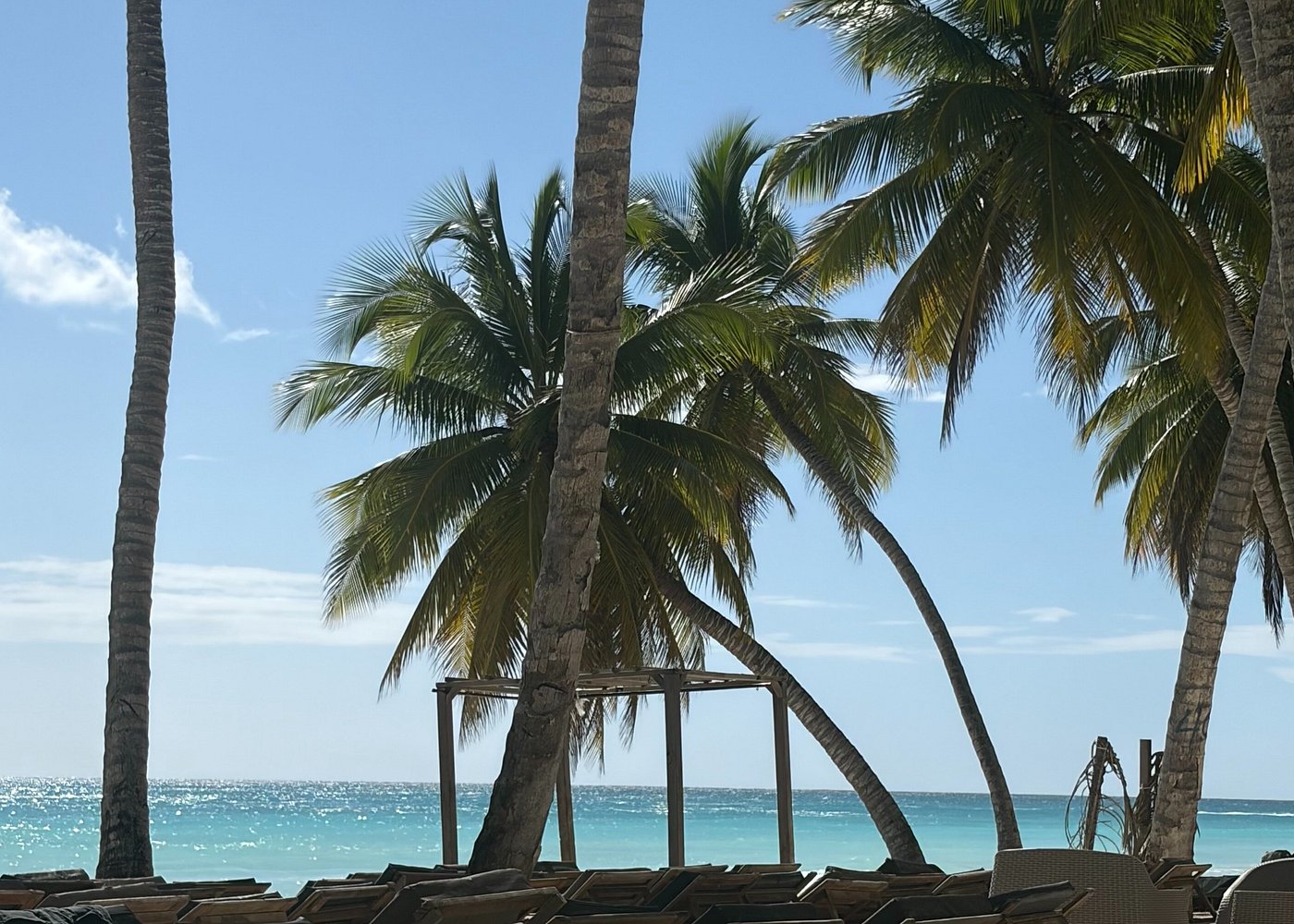
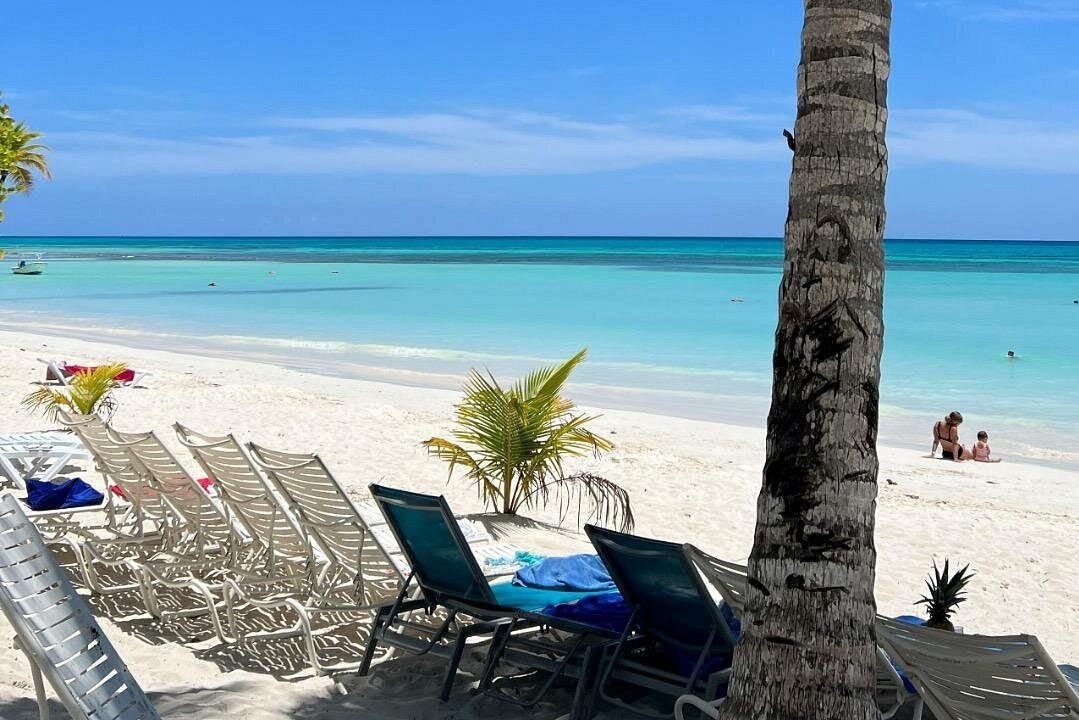
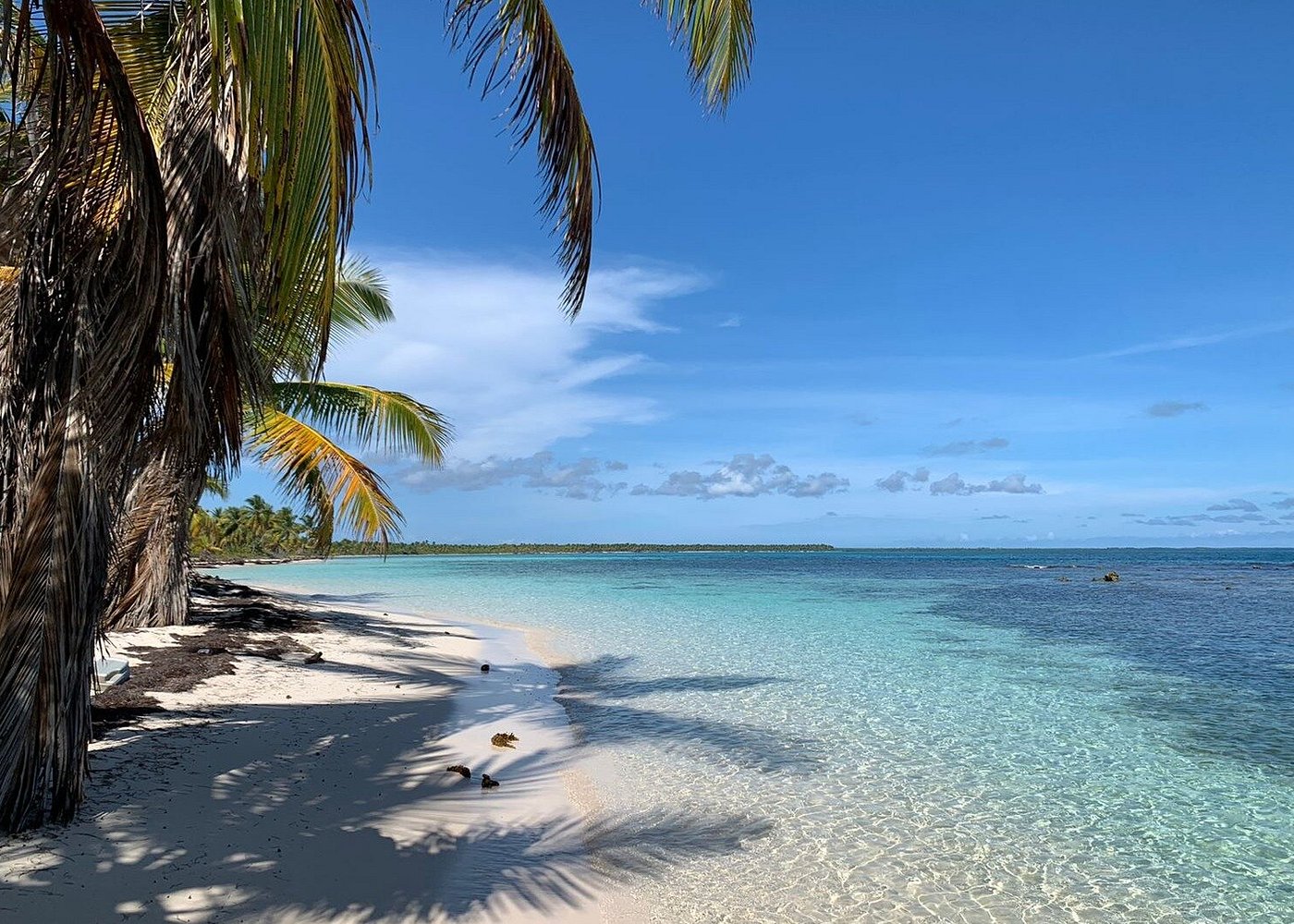
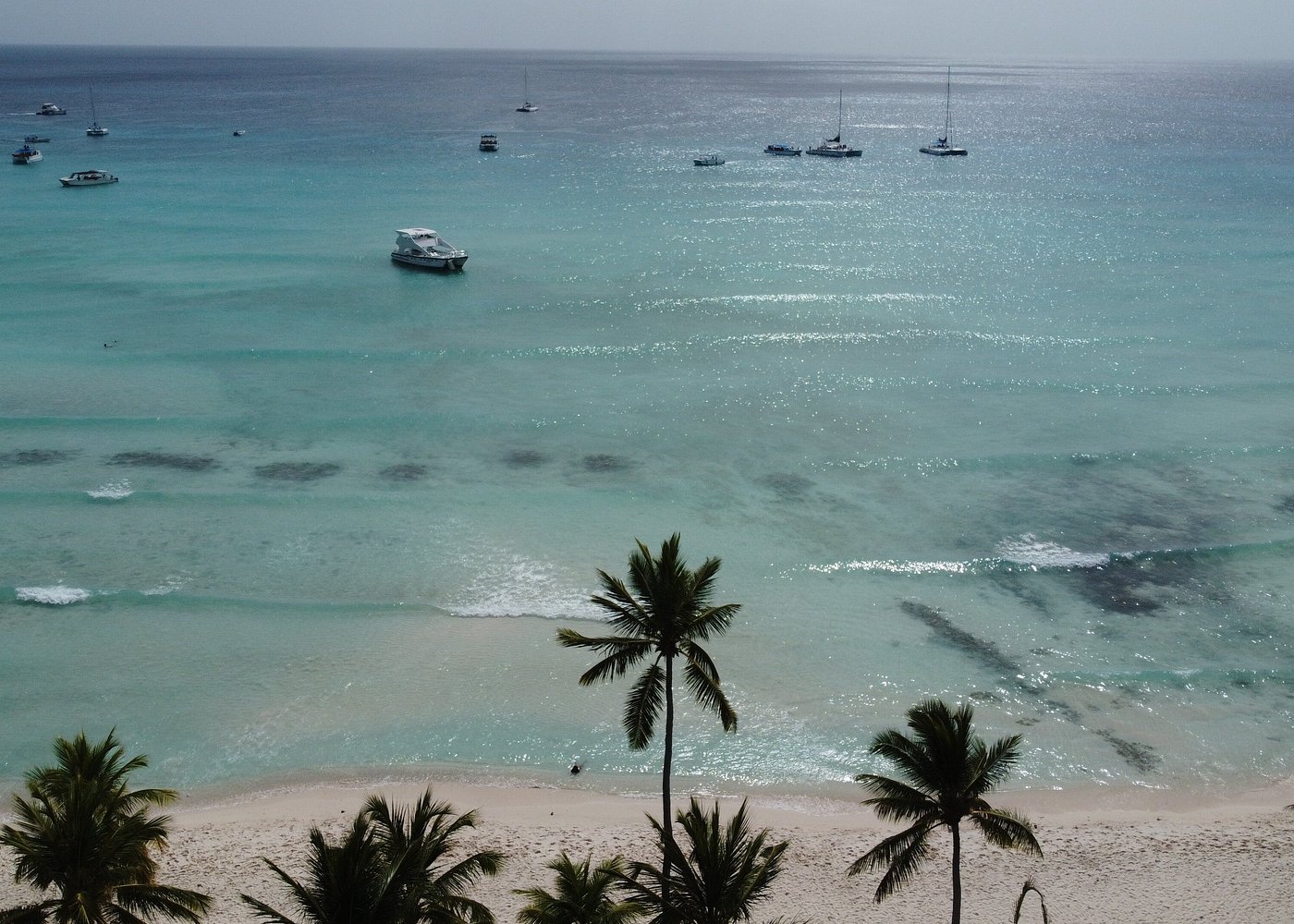
Saona Island is one of the Dominican Republic’s best-known island destinations. Its white-sand beaches, turquoise water, palm-lined coastline, and boat excursions attract visitors from Punta Cana, Bayahibe, La Romana, and other parts of the country.
Its popularity is an important part of the local tourism economy. However, when many visitors arrive at the same destinations within a limited period, questions about crowding, infrastructure, and environmental pressure become increasingly important.
This is where the concept of overtourism becomes relevant.
Overtourism does not simply mean that a destination has many tourists. It describes a situation in which the volume, concentration, or management of tourism creates problems for the environment, local communities, visitor experience, or destination infrastructure.
In this guide, we explore what overtourism could mean for Saona Island, how carrying capacity helps explain the issue, and what visitors can consider when choosing an excursion.
What Is Overtourism?
Overtourism occurs when tourism activity places excessive pressure on a destination or negatively affects the people, places, and natural systems connected to it.
A destination may experience tourism pressure even when its total annual visitor numbers appear manageable. The problem can be concentrated in particular locations, seasons, or hours of the day.
For example, several tour groups arriving at the same beach around lunchtime can create a crowded experience even if other parts of the island remain relatively quiet.
Overtourism can involve several connected issues:
- Crowding at popular beaches and swimming locations.
- Pressure on toilets, waste facilities, transport, and other infrastructure.
- Disturbance to sensitive coastal and marine habitats.
- Increased demand for freshwater and other resources.
- Noise and activity that affect the natural atmosphere.
- Greater pressure on local communities and tourism workers.
These are general risks associated with heavily visited island destinations. Their actual scale on Saona Island can vary by location, season, and how excursions are organized.
Why Is Saona Island Vulnerable to Visitor Pressure?
Saona Island is part of the wider protected landscape of Cotubanamá National Park. Its coastal and marine environments make it attractive for nature-based tourism, but they also require careful management.
Several characteristics can make an island destination sensitive to concentrated tourism.
1. Visitors Concentrate at Popular Locations
Tourists do not necessarily spread evenly across an island. They often visit a small number of recognizable beaches, swimming areas, and boat stops.
When multiple excursions use the same locations at similar times, visitors may experience:
- Crowded beach areas.
- Busy swimming zones.
- More noise from boats and groups.
- Limited space for relaxing or taking photographs.
- Pressure on the facilities available at popular stops.
The concentration of visitors can therefore matter as much as the overall number of tourists.
2. Island Infrastructure Has Physical Limits
An island excursion depends on more than beautiful scenery. Boats, landing areas, waste collection, toilets, food services, and visitor facilities all contribute to the experience.
These facilities have practical limits. If visitor demand grows faster than infrastructure and management capacity, the destination may face operational challenges.
For example, a busy arrival period can place additional pressure on boarding areas, landing points, and available visitor facilities.
3. Coastal and Marine Habitats Need Protection
Saona Island's natural appeal is closely connected to its coastal and marine environments.
Coastal vegetation, mangroves, seagrass beds, coral communities, and marine wildlife can be sensitive to inappropriate human activity. The specific habitats present and their condition vary by location.
Potential tourism-related pressures include careless anchoring, physical contact with sensitive habitats, litter, excessive noise, and poorly managed visitor movement.
These impacts should not be assumed to occur at every excursion stop. They demonstrate why site-specific management and visitor guidance are important.
4. Tourism Activity Can Affect Local Communities
Tourism creates opportunities for boat operators, guides, food providers, transport workers, and other businesses.
However, the benefits and pressures of tourism need to be considered together. A destination's long-term success depends on whether tourism supports local livelihoods without placing unreasonable pressure on the places and communities that make the destination attractive.
Understanding Carrying Capacity on Saona Island
One of the most useful concepts for understanding overtourism is carrying capacity.
Tourism carrying capacity refers to the level of visitor use that a destination can accommodate without unacceptable damage to its environment, visitor experience, infrastructure, or community well-being.
It is not necessarily one fixed number.
A beach may accommodate more visitors under some conditions than others. Weather, tides, available facilities, habitat sensitivity, visitor behavior, and the timing of arrivals can all influence how much activity a location can handle.
Four Dimensions of Tourism Carrying Capacity
1. Physical carrying capacity
This concerns the space and facilities available at a destination.
Questions include:
- How much usable beach space is available?
- Can visitors move around safely?
- Are boarding and landing areas adequate?
- Can available facilities handle the expected demand?
2. Environmental carrying capacity
This concerns the ability of natural systems to withstand visitor activity without unacceptable ecological damage.
It may involve monitoring habitat condition, litter, wildlife disturbance, water quality, and physical damage to sensitive areas.
3. Social carrying capacity
This concerns how much tourism activity visitors and local communities can tolerate before the experience or quality of life becomes negatively affected.
For visitors, this might involve crowding, noise, waiting, or reduced enjoyment. For local communities, it may involve pressure on shared resources and public spaces.
4. Management capacity
This concerns whether destination managers and tourism operators have the people, facilities, information, and systems needed to manage visitor activity.
Even a location with sufficient physical space can face problems if waste collection, visitor information, boat coordination, or safety arrangements are inadequate.
What Can Happen When Visitor Pressure Is Poorly Managed?
Tourism pressure can create a chain of connected challenges. The following are possible outcomes of weak destination management, not a claim that every issue is currently occurring across Saona Island.
Crowded Beach Experiences
A busy beach can feel very different from the quiet tropical setting visitors expect. Crowding may reduce personal space, make swimming areas less comfortable, and create longer waits for facilities.
More Waste and Cleaning Pressure
More visitors can mean more food packaging, drink containers, and other waste. Without suitable collection and disposal systems, litter can become a concern.
Pressure on Sensitive Natural Areas
Repeated or careless activity around coastal vegetation, shallow-water habitats, and wildlife areas may create disturbance. This is particularly important in protected natural environments.
Greater Demands on Boat Operations
Popular departure and arrival periods can require careful coordination. Poorly organized boat movement may affect visitor comfort and operational safety.
A Less Enjoyable Visitor Experience
Overcrowding can affect the very qualities that attract people to Saona Island: relaxation, scenery, natural surroundings, and the feeling of escaping busy urban areas.
How Can Saona Island Tourism Be Managed More Sustainably?
Managing tourism pressure requires cooperation among authorities, local communities, tour operators, and visitors.
The following approaches are commonly relevant to island destinations.
1. Distribute Visitors Across Suitable Locations
Where permitted and environmentally appropriate, visitor management can reduce excessive concentration at a small number of locations.
This may involve coordinating arrival times, using suitable alternative stops, and avoiding unnecessary congestion at popular areas.
Visitor distribution should always respect protected-area rules and habitat sensitivity. Moving crowds to a fragile location is not a sustainable solution.
2. Coordinate Boat Arrivals and Departures
Tour operators can help reduce congestion through clear schedules, organized boarding, communication between crews, and responsible use of landing areas.
Good coordination can improve both visitor experience and operational efficiency.
3. Improve Waste Management
Waste management is essential for an island destination.
Effective systems may include suitable collection points, regular removal, responsible food-service practices, and clear instructions for visitors.
Tourists should follow the operator's waste guidance and avoid leaving anything behind.
4. Protect Sensitive Habitats
Visitor activities should be designed around the ecological needs of the destination.
This may involve keeping boats away from sensitive areas, following designated access routes, preventing wildlife disturbance, and respecting restrictions established by the relevant authorities.
5. Monitor Visitor Impacts
Sustainable destination management requires more than good intentions. It benefits from monitoring.
Useful indicators may include:
- Visitor numbers by location and time.
- Waste generation and collection.
- Condition of coastal habitats.
- Visitor satisfaction and crowding reports.
- Pressure on toilets, landing areas, and other facilities.
- Compliance with protected-area rules.
Monitoring can help managers identify pressure points and adjust tourism operations.
How Can Visitors Recognize a Better-Managed Saona Island Tour?
Travelers do not control destination-wide tourism management, but they can ask useful questions before booking.
Consider asking a tour operator:
- How are beach arrivals and departures coordinated?
- How large is the expected group?
- What measures are used to prevent litter?
- Are visitors given instructions about wildlife and sensitive habitats?
- How does the operator follow applicable protected-area rules?
- What happens if a planned stop is too crowded or unsuitable?
- Are the tour's activities and stops clearly explained before payment?
A responsible operator should be willing to explain its procedures clearly. Avoid assuming that a tour is sustainable simply because its advertising uses words such as "eco-friendly," "green," or "nature experience."
Look for practical details rather than promotional labels.
Is a Smaller Group Always More Sustainable?
Not necessarily.
Smaller groups can make it easier to manage visitor movement, provide instructions, and reduce crowding in some situations. However, group size alone does not determine environmental performance.
A small tour can still cause harm if it enters sensitive habitats, handles wildlife irresponsibly, or leaves waste behind.
Likewise, a larger operation may have organized procedures for transport, waste, and visitor management.
When comparing tours, consider the complete operation:
- Group size and visitor distribution.
- Boat practices and landing arrangements.
- Environmental instructions.
- Waste management.
- Compliance with applicable rules.
- Transparency about activities and locations.
The goal is not simply to find the smallest group. It is to choose an operator that manages its activities responsibly.
When Is the Best Time to Avoid Crowds?
Crowding can change according to the day, season, weather, and excursion schedules. It is not possible to guarantee that a particular month or departure time will always provide a quieter visit.
Before booking, ask the operator about expected demand and the timing of popular stops.
You can also ask whether the itinerary allows flexibility when a location becomes unusually busy.
If a peaceful experience is important to you, communicate that preference before confirming your excursion. Remember that operators may have fixed routes, shared departure arrangements, and protected-area restrictions.
Overtourism and the Future of Saona Island
The long-term value of Saona Island depends on more than the number of visitors it attracts.
A destination can generate tourism income while also protecting the natural and cultural qualities that make it special. Achieving that balance requires planning, monitoring, cooperation, and appropriate enforcement.
For Saona Island, long-term destination management should consider:
- The condition of beaches and coastal ecosystems.
- The capacity of visitor facilities.
- The distribution and timing of excursions.
- The needs and participation of local communities.
- The quality of visitor experiences.
- The protection of the wider national park environment.
Tourism growth should be considered alongside these factors rather than treated as an independent measure of success.
Practical Checklist Before Booking Your Excursion
Use this checklist to make a more informed decision:
- Ask how the tour manages group arrivals and departures.
- Check whether the itinerary includes popular stops during busy periods.
- Ask what waste-management procedures are followed.
- Confirm that the operator explains applicable environmental rules.
- Avoid tours that encourage touching, feeding, or disturbing wildlife.
- Follow instructions around sensitive coastal and marine habitats.
- Choose an excursion whose activities and arrangements are clearly explained.
These steps cannot solve overtourism on their own, but informed visitors can support better tourism practices.
Frequently Asked Questions
1. Is Saona Island experiencing overtourism?
Saona Island is a popular excursion destination, so visitor pressure is a relevant management concern. However, the degree of overtourism should be assessed using current, location-specific evidence such as visitor numbers, environmental monitoring, infrastructure capacity, and crowding reports. It would be inaccurate to assume that every part of the island is overcrowded.
2. What does carrying capacity mean in tourism?
Carrying capacity is the level of visitor activity a destination can accommodate without unacceptable negative effects on its environment, infrastructure, communities, or visitor experience.
3. Does a large number of tourists always damage an island?
No. The impact depends on where visitors go, when they arrive, how activities are managed, and whether infrastructure and environmental protections are adequate.
4. Are private Saona Island tours better for avoiding overtourism?
A private tour may offer more control over timing and group arrangements, depending on the operator and permitted itinerary. However, private tours are not automatically more sustainable. Their environmental practices and compliance with local rules still matter.
5. How can tourists help reduce visitor pressure?
Visitors can follow operator instructions, avoid littering, respect wildlife and habitats, ask about responsible practices, and choose excursions with clear management procedures.
6. Does Saona Island have a fixed daily visitor limit?
Do not assume a single island-wide daily visitor limit without confirmation from the relevant authorities. Any restrictions may depend on specific locations, activities, protected-area rules, or management decisions. Ask the operator or relevant authority for current information.
7. Is visiting Saona Island still worthwhile?
Yes, a well-planned visit can be an enjoyable way to experience the Dominican Republic's coastal scenery. Understanding visitor pressure simply helps travelers make more informed choices and appreciate why good destination management matters.
Conclusion: Protecting the Island While Enjoying Its Beauty
Saona Island's popularity brings opportunities for tourism businesses and visitors, but it also makes thoughtful destination management important.
Overtourism is not just about counting people. It is about understanding where visitors go, how they move, what facilities they use, and how tourism affects the natural environment and local communities.
Concepts such as carrying capacity, visitor distribution, environmental monitoring, and responsible boat operations help explain how a popular island destination can be managed more carefully.
When planning your Saona Island excursion, look beyond attractive photographs and promotional promises. Ask how the tour operates, respect the environment, and support transparent practices.
The best future for Saona Island is one in which visitors can enjoy its remarkable natural beauty while the island's ecosystems and local communities continue to be valued and protected.
Local explorer & expert guide in Boat Tour Samana.