Saona Island Sea Turtle Nesting Season – Nesting Habitats, Hatchlings & Responsible Wildlife Watching
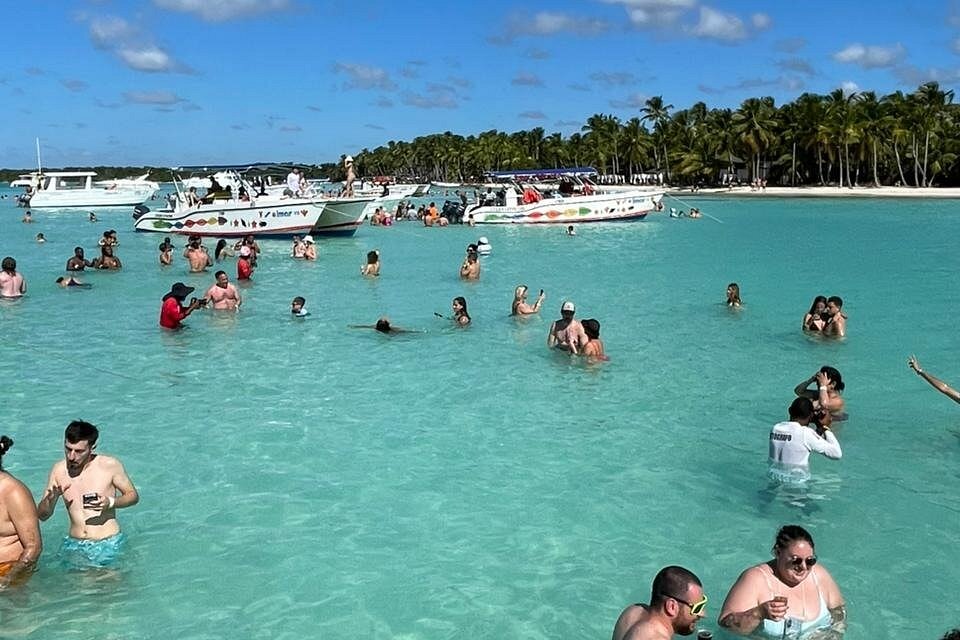
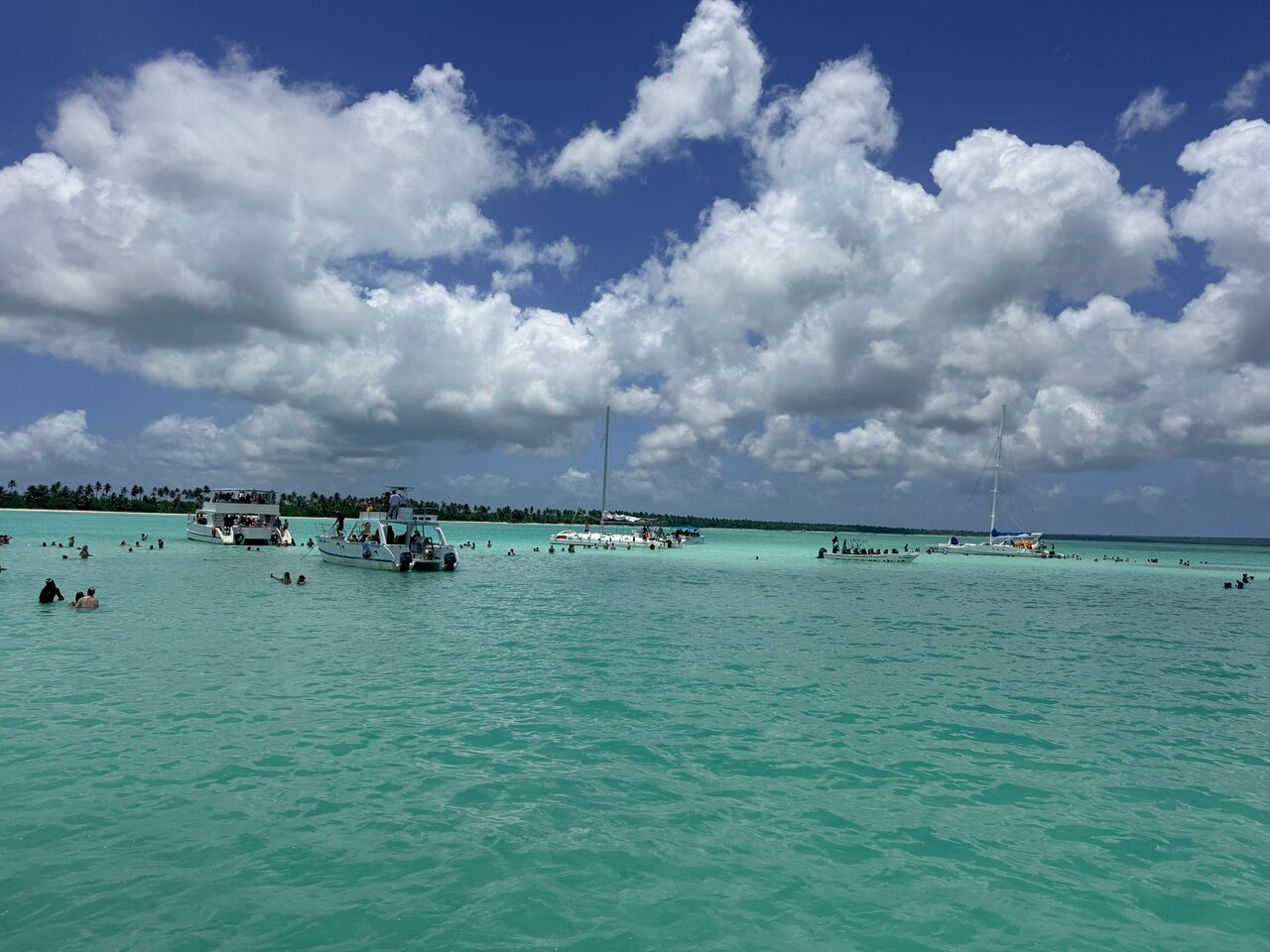
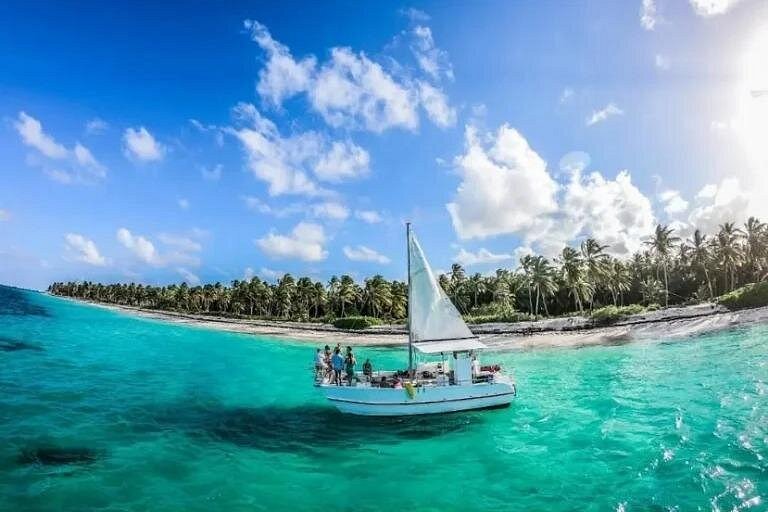
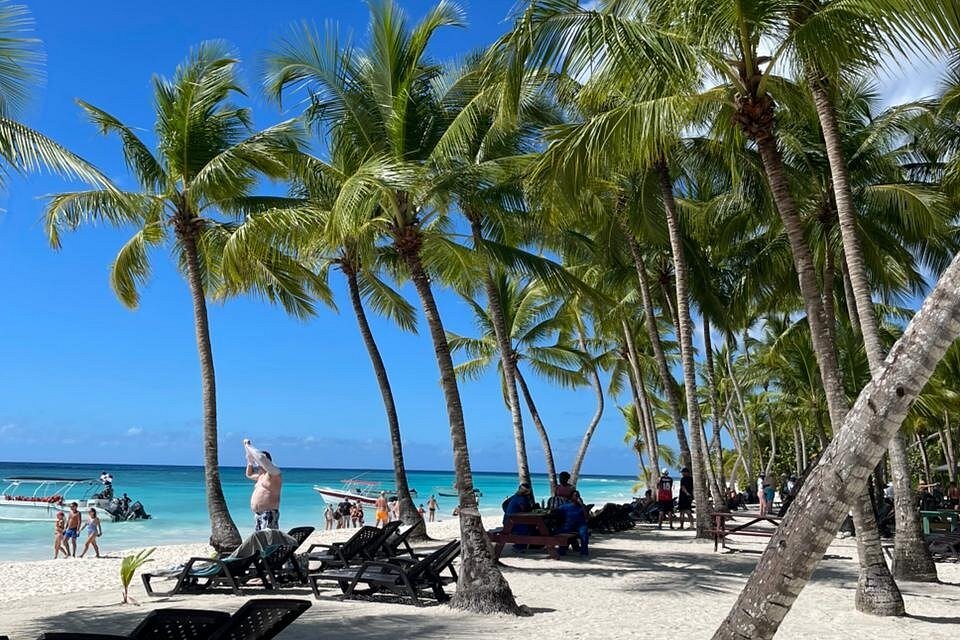
Saona Island is known for its tropical beaches, turquoise water, coastal vegetation, and rich natural environment. Beyond its beautiful scenery, the island is part of a wider Caribbean region that provides important habitats for marine wildlife, including sea turtles.
Sea turtle nesting is one of the most fascinating events in coastal ecosystems. Female turtles return to sandy beaches to lay their eggs, and after an incubation period, hatchlings emerge and make their way toward the sea.
These natural processes depend on suitable beach conditions and minimal disturbance. Artificial lighting, beach obstacles, uncontrolled human activity, and habitat degradation can create risks for nesting turtles and young hatchlings.
For visitors exploring Saona Island, understanding sea turtle nesting is an opportunity to learn about marine biodiversity and responsible wildlife tourism.
This guide explains how sea turtle nesting works, why sandy beaches matter, what visitors should know about nesting-season activities, and how to avoid disturbing these vulnerable animals.
1. Why Sea Turtle Nesting Matters
Sea turtles spend much of their lives in the ocean, but females return to land to lay their eggs.
A suitable nesting beach provides a place where a female can dig a nest in the sand, deposit her eggs, and cover them before returning to the water.
The eggs develop underground, where temperature, moisture, sand conditions, and other environmental factors influence incubation.
After hatching, young turtles emerge from the nest and move toward the sea.
This process is important for the continuation of sea turtle populations. However, eggs and hatchlings face many natural and human-related challenges.
Protecting nesting habitats is therefore an important part of marine wildlife conservation throughout the Caribbean.
2. Sea Turtle Species Found in the Wider Caribbean
Several sea turtle species occur in the Caribbean region. Their distribution and nesting activity vary by location.
Some important species include:
Hawksbill turtle
The hawksbill turtle is recognized by its narrow, pointed beak and patterned shell. It is associated with tropical marine habitats, including coral reef environments.
Green turtle
The green turtle is a large marine turtle that uses different habitats during its life cycle. Adults often feed in seagrass-rich areas.
Loggerhead turtle
The loggerhead turtle has a large head and strong jaws. It is found in many parts of the Atlantic and Caribbean region.
Leatherback turtle
The leatherback is the largest living sea turtle. Unlike other sea turtles, it has a flexible, leathery covering rather than a hard external shell.
The presence of a species in the wider Caribbean does not automatically confirm nesting on a particular Saona Island beach. Local nesting records and conservation monitoring are needed to establish which species use specific locations.
3. How Sea Turtle Nesting Works
Sea turtle nesting follows a natural sequence.
Understanding the stages helps visitors appreciate why nesting beaches need protection.
Stage 1: Returning to a nesting beach
A mature female turtle approaches a suitable beach, usually under low-light conditions.
She may spend time moving along the shoreline before selecting a location.
Stage 2: Digging the nest
The female uses her rear flippers to excavate a chamber in the sand.
The depth and shape of the nest depend on the turtle and the beach conditions.
Stage 3: Laying eggs
The female deposits a group of eggs into the nest chamber.
The number of eggs varies by species and individual turtle.
Stage 4: Covering the nest
After laying the eggs, the turtle covers the chamber with sand and returns to the sea.
This helps conceal the nest from potential predators.
Stage 5: Incubation
The eggs remain buried while embryos develop.
Incubation duration varies with environmental conditions, particularly sand temperature.
Stage 6: Hatchling emergence
When development is complete, hatchlings emerge from the nest, often together, and move toward the ocean.
Their journey from the nest to the sea is a vulnerable stage of their life cycle.
4. When Is Sea Turtle Nesting Season in the Caribbean?
There is no single nesting calendar that applies to every Caribbean island or every sea turtle species.
Nesting periods vary by species, geographic location, and local environmental conditions.
In parts of the Caribbean, nesting activity may occur during different months of the year, with some species using beaches during warmer seasons.
However, visitors should not assume that a specific month guarantees nesting activity on Saona Island.
Anyone planning a wildlife-focused visit should seek current information from recognized local conservation organizations or the relevant environmental authorities.
It is also important to understand that nesting activity and hatchling emergence do not necessarily happen at the same time. Eggs require an incubation period before hatchlings emerge.
5. Why Sandy Beaches Are Important Nesting Habitats
Not every beach is suitable for sea turtle nesting.
Female turtles need access to a beach where they can reach appropriate sand conditions and dig a nest chamber.
Several environmental features can influence nesting suitability.
Sand composition
The structure and grain size of sand influence drainage, moisture retention, and the ability of a turtle to excavate a nest.
Beach slope
A beach with an appropriate slope can provide access to nesting areas above the usual reach of waves.
Vegetation
Coastal vegetation may influence the structure and stability of beach environments. However, dense roots and unsuitable obstacles can also affect where a turtle can dig.
Moisture and temperature
Nest conditions influence embryo development. Excessive heat, unsuitable moisture levels, and flooding can affect egg survival.
Disturbance levels
Frequent human activity, artificial lighting, vehicles, and obstacles can make nesting beaches less suitable.
Protecting the natural condition of coastal habitats is therefore important for sea turtle conservation.
6. What Threatens Sea Turtle Nests and Hatchlings?
Sea turtles face challenges throughout their life cycles. Some threats are natural, while others are linked to human activities.
Artificial lighting
Bright lights near nesting beaches can discourage females from nesting in certain areas.
Artificial lighting can also disorient hatchlings, which normally use natural brightness near the horizon to help locate the sea.
Beach furniture and obstacles
Chairs, umbrellas, ropes, barriers, and other equipment may block nesting routes or prevent hatchlings from reaching the water.
Beach vehicles
Vehicles can damage nests, compact sand, and create physical obstacles for hatchlings.
Human disturbance
Crowds, noise, flash photography, and people approaching nesting turtles can interrupt natural behaviour.
Plastic and marine debris
Marine debris can create hazards for sea turtles in coastal and ocean environments. Nesting beaches also need regular attention to prevent waste from accumulating.
Coastal habitat changes
Erosion, flooding, unsuitable construction, and other changes to beach conditions may affect the availability of nesting habitat.
Reducing avoidable disturbance is an important part of protecting nesting turtles.
7. What Happens When Sea Turtle Hatchlings Reach the Beach?
Hatchling emergence is a remarkable stage in the sea turtle life cycle.
After developing inside the eggs, hatchlings begin moving toward the surface. They may emerge together and travel across the beach toward the ocean.
Their movement toward the sea is influenced by natural environmental cues, including light.
Once they enter the water, hatchlings face many challenges. Predators, ocean conditions, and limited food availability all influence their chances of survival.
Only a small proportion of hatchlings reach adulthood.
This is one reason why every nesting event matters and why people should avoid interfering with the natural process.
8. Can Visitors Watch Sea Turtle Nesting on Saona Island?
Visitors should not assume that sea turtle nesting is a regular tourist activity on Saona Island.
Nesting areas may be sensitive or restricted, and any organized wildlife observation should follow the requirements of the relevant authorities and conservation organizations.
If you are interested in turtle-related experiences, ask whether a recognized conservation activity is available and whether visitors are permitted to participate.
Before joining any wildlife activity, confirm:
- Who organizes the activity?
- Is it authorized by the relevant authorities?
- Are trained conservation personnel involved?
- Are visitors allowed near nesting areas?
- Are observation distances and lighting rules explained?
- Is the activity designed to avoid disturbing turtles?
A responsible wildlife experience should prioritize animal welfare over photography or entertainment.
9. How to Behave If You Encounter a Nesting Turtle
If you unexpectedly encounter a sea turtle on a beach, remain calm and give it plenty of space.
Follow these guidelines:
Keep your distance: Do not approach, surround, touch, or block the turtle.
Avoid flash photography: Bright flashes may disturb nesting animals.
Keep noise low: Avoid loud conversations, music, or sudden movements.
Do not touch the eggs: Never dig into a nest or attempt to handle eggs.
Do not block the route: Keep the path between the turtle and the sea clear.
Follow local instructions: If trained personnel or authorities are present, follow their directions.
If you see a turtle that appears injured or trapped, contact an appropriate local authority or recognized wildlife rescue organization instead of attempting to handle it yourself.
10. How Artificial Light Affects Hatchlings
Artificial lighting is one of the most widely recognized human-related threats to sea turtle nesting beaches.
Hatchlings use natural visual cues to orient themselves toward the sea. Bright artificial sources can interfere with these cues.
Potential sources include:
- Streetlights.
- Buildings and accommodation facilities.
- Vehicle headlights.
- Flashlights.
- Camera flashes.
- Decorative beach lighting.
Where lighting is necessary near a nesting beach, wildlife-friendly lighting design may help reduce disturbance.
Measures can include shielding lights, directing them away from the beach, reducing unnecessary brightness, and using suitable lighting technologies under local guidance.
Visitors should avoid shining lights toward the water or across potentially sensitive nesting areas.
11. How Conservation Teams Protect Sea Turtle Nests
Sea turtle conservation may involve several activities, depending on the local program and applicable regulations.
These can include:
Nest monitoring
Trained personnel may identify and monitor nesting locations to understand nesting activity and assess threats.
Beach patrols
Authorized patrol teams may look for nesting activity and monitor sensitive areas.
Habitat protection
Conservation efforts can include reducing artificial lighting, controlling beach access, and protecting suitable nesting environments.
Public education
Education helps residents, tourism operators, and visitors understand why nesting turtles need protection.
Scientific data collection
Monitoring records can help researchers understand nesting patterns, hatching success, and changes in local turtle populations.
Any nest relocation, egg handling, or hatchling intervention should be carried out only by appropriately authorized and trained personnel.
12. How Tourism Operators Can Support Nesting Beach Protection
Tourism businesses have an important role in protecting natural coastal environments.
Responsible operators can help by:
- Avoiding vehicle use on sensitive beaches.
- Keeping equipment away from potential nesting areas.
- Following restrictions established by authorities.
- Providing wildlife-awareness information to guests.
- Avoiding unapproved turtle-handling activities.
- Managing artificial lighting where relevant.
- Reporting wildlife concerns to appropriate organizations.
Tourism operators should never promise guaranteed turtle sightings or encourage guests to disturb animals for photographs.
Protecting wildlife should remain more important than creating a tourist attraction.
13. Practical Tips for Visitors Interested in Sea Turtle Conservation
You do not need to see a nesting turtle to contribute to conservation.
During your Saona Island visit, consider these simple actions:
- Never touch turtle eggs or hatchlings.
- Avoid flash photography near wildlife.
- Keep beaches free of litter.
- Do not disturb coastal vegetation.
- Respect marked nesting zones and restricted areas.
- Avoid leaving beach equipment behind.
- Do not use vehicles on sensitive nesting beaches.
- Follow guidance from recognized conservation personnel.
- Share accurate information about sea turtle protection.
- Support legitimate conservation initiatives when available.
Small actions can reduce unnecessary pressure on sensitive coastal habitats.
14. Why Sea Turtle Nesting Protection Matters for the Future
Sea turtles are part of the wider marine ecosystem and have long life cycles. Their survival depends on suitable habitats throughout different stages of life.
Protecting nesting beaches is only one part of conservation. Turtles also need healthy feeding areas, safe migration routes, and suitable marine habitats.
Saona Island's coastal environment is connected to the wider Caribbean ecosystem. Protecting sensitive beaches and marine habitats can therefore contribute to broader environmental conservation goals.
Long-term protection requires cooperation between local communities, scientists, authorities, tourism operators, and visitors.
Frequently Asked Questions
1. When is sea turtle nesting season on Saona Island?
Nesting periods vary by species and location. Visitors should check with recognized local conservation organizations or environmental authorities for current information about Saona Island.
2. Which sea turtles are found in the Caribbean?
The wider Caribbean is home to species including hawksbill, green, loggerhead, and leatherback turtles. Local nesting records are needed to confirm which species use a particular beach.
3. Can tourists watch sea turtles laying eggs on Saona Island?
Do not assume that public nesting observations are available. Any permitted activity must follow local rules and be organized to avoid disturbing turtles.
4. How long do sea turtle eggs take to hatch?
Incubation duration varies according to species and environmental conditions, especially temperature. There is no single fixed period for all nests.
5. Why do hatchlings move toward the sea?
Hatchlings use natural environmental cues, including light, to orient themselves toward the ocean.
6. Can I take photographs of nesting turtles?
Only when permitted and without disturbing the animal. Avoid flash photography, keep your distance, and follow the instructions of authorized personnel.
7. What should I do if I find sea turtle eggs?
Do not touch, move, or uncover them. Keep people away and contact an appropriate local conservation organization or environmental authority.
8. Does artificial lighting harm sea turtles?
Yes. Artificial lighting can disturb nesting females and disorient hatchlings moving toward the ocean.
9. Are all Saona Island beaches turtle nesting beaches?
Not necessarily. Nesting suitability and confirmed nesting activity vary by location. Site-specific monitoring is needed to identify important nesting areas.
10. How can tourists help protect sea turtles?
Visitors can avoid disturbing wildlife, keep beaches clean, respect protected areas, avoid artificial light near nesting habitats, and follow local conservation guidance.
Conclusion
Sea turtle nesting is an important natural process that connects Caribbean beaches with the wider marine ecosystem.
Saona Island's coastal environment deserves careful protection, especially where sandy beaches and other sensitive habitats may provide suitable conditions for wildlife.
Understanding nesting behaviour, hatchling development, and the threats faced by sea turtles helps visitors appreciate why responsible tourism matters.
Whether or not you encounter a sea turtle during your trip, you can help protect these animals by respecting nesting habitats, avoiding disturbance, and following local conservation guidance.
A successful visit to Saona Island should leave its natural environment as undisturbed as possible for the wildlife and future generations that depend on it.

Local explorer & expert guide in Boat Tour Samana.